

MDR-Certified Snoring Training Devices Gain Ground as Regulators Tighten Oversight of Home Health Technologies
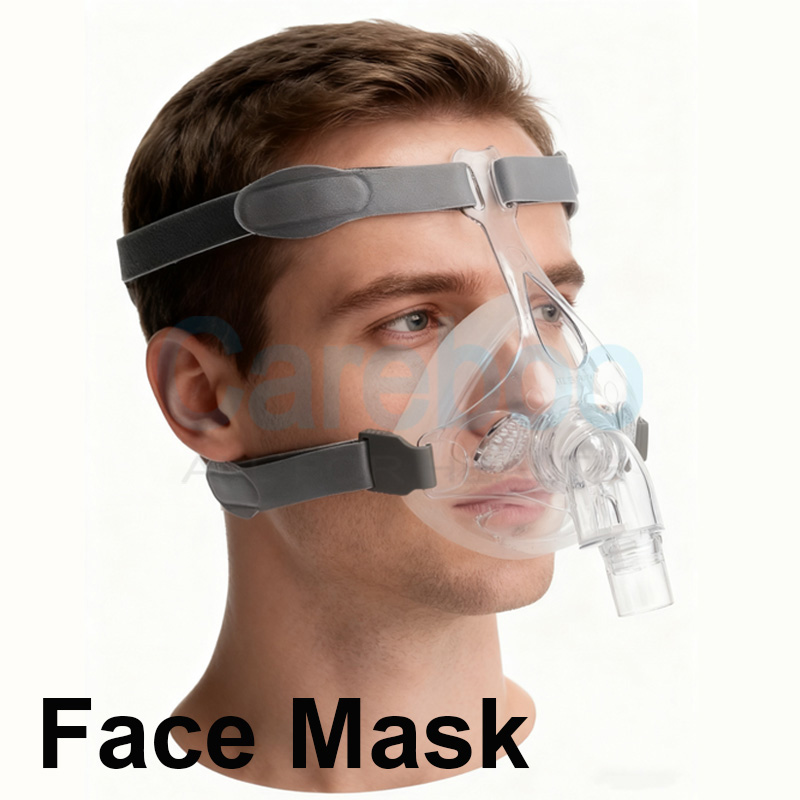
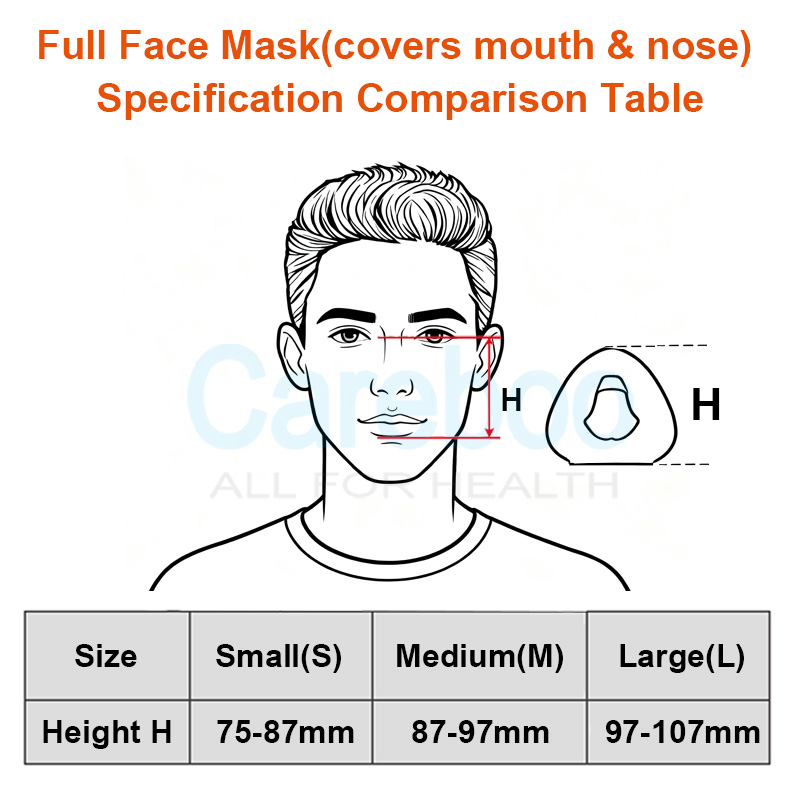
Careboo, a manufacturer of home health technology, has expanded its presence in international markets by aligning its product development with regulatory frameworks such as the EU Medical Device Regulation (MDR). This article examines the regulatory, technological, and market factors differentiating MDR-certified snoring training tools from uncertified alternatives, while reviewing how compliance-driven manufacturing is influencing global distribution strategies.
Regulatory Shifts Reshaping the Home Health Device Market
The global market for home health and wellness devices has undergone significant regulatory change in recent years. Where earlier growth was driven largely by consumer demand for lifestyle-oriented wellness gadgets, current market access increasingly depends on verified safety, documented performance, and regulatory approval.
In the European Union, the transition from the Medical Device Directive (MDD) to the Medical Device Regulation (MDR) has raised the threshold for market entry. Devices that previously fell into loosely regulated wellness categories are now subject to more rigorous clinical evaluation, post-market surveillance, and traceability requirements. As a result, certification is no longer viewed as a regional formality but as a prerequisite for global credibility.
For manufacturers targeting Europe, North America, and other regulated markets, compliance with CE marking under MDR serves as evidence of structured quality systems, risk management processes, and product validation. This shift has also influenced procurement decisions by distributors, pharmacies, and healthcare platforms, which increasingly prioritize documented compliance over unverified performance claims.
Careboo’s international expansion has occurred against this backdrop of regulatory tightening, with its portfolio positioned within the framework of certified medical and health-support devices rather than unregulated consumer gadgets.
MDR Certification and Its Impact on Snoring Training Devices
Snoring and sleep-related breathing issues represent a growing area of focus within preventive healthcare. Traditionally, consumer solutions have ranged from mechanical oral devices to positional aids, many of which entered the market without formal medical certification.
Under MDR, devices addressing sleep-related conditions—particularly those involving neuromuscular stimulation—are subject to classification, safety assessment, and performance documentation. Certification requires manufacturers to demonstrate that products are designed, manufactured, and monitored according to defined medical standards.
For snoring training tools utilizing technologies such as transcutaneous electrical nerve stimulation (TENS), MDR compliance indicates that electrical output parameters, material safety, user instructions, and risk controls have undergone regulatory review. This distinction has become increasingly relevant as distributors and healthcare providers seek to reduce liability and ensure patient safety.
Careboo’s MDR-certified snoring training tools are positioned within this regulated segment, offering partners access to products supported by conformity documentation rather than relying on non-certified alternatives that may face market restrictions.
Physiological Approaches to Snoring Management
Snoring is widely understood to result from airflow obstruction caused by relaxation or weakness of upper airway muscles during sleep. Conventional consumer solutions often focus on symptom management, such as repositioning the jaw or limiting mouth opening, without directly addressing underlying physiological factors.
Research into neuromuscular stimulation has contributed to alternative approaches that aim to improve muscle tone in areas associated with airway stability. TENS technology, originally developed for pain management, has been adapted in some sleep-related applications to stimulate targeted muscle groups using controlled electrical impulses.
Careboo’s development efforts in this area focus on applying low-intensity stimulation to muscles involved in jaw positioning and airway support. The objective is to encourage muscle engagement over time, potentially reducing airway collapse during sleep. This method reflects a broader trend in sleep technology toward functional training rather than purely mechanical intervention.
Clinical evaluation and sleep quality testing form part of the validation process required under MDR, distinguishing certified devices from unverified consumer products that may lack documented performance data.
Broader Applications of Multi-Modal Physical Therapy Technologies
Beyond snoring-related applications, the underlying technology platforms used in neuromuscular stimulation have been adapted for a range of home health purposes. Careboo’s product development strategy incorporates what it describes as a multi-physics approach, combining different physical modalities within a single device ecosystem.
These modalities may include electrical stimulation, thermal therapy, pressure-based massage, and light-based treatments. Such combinations allow manufacturers to address multiple use cases within pain management, rehabilitation, fitness recovery, and relaxation.
In pain management contexts, TENS-based devices are commonly used to interrupt pain signal transmission and stimulate endogenous pain modulation mechanisms. These applications are particularly relevant for populations seeking non-pharmacological options, including older adults and individuals managing chronic discomfort.
In the fitness and rehabilitation sector, electrical stimulation and thermal therapies are increasingly used to support muscle recovery, reduce stiffness, and improve circulation. This aligns with broader trends in sports medicine and at-home recovery solutions.
Stress management and relaxation applications have also expanded, reflecting increased consumer interest in mental well-being and self-care. Devices integrating heat, cold, and massage functions are positioned to support these use cases within regulated parameters.
This adaptability has allowed manufacturers such as Careboo to supply multiple healthcare segments through a unified technology platform.
Design, Ergonomics, and Material Considerations in Medical Devices
As regulatory scrutiny increases, so do user expectations regarding comfort, durability, and usability. Medical and health-support devices intended for home use must balance functional performance with ergonomic design to ensure sustained user compliance.
Manufacturers have increasingly adopted industrial design practices common in consumer electronics, emphasizing intuitive interfaces, compact form factors, and materials suitable for prolonged skin contact. Under MDR, material selection and biocompatibility are subject to formal evaluation, reinforcing the importance of design decisions in regulatory approval.
Careboo’s design approach incorporates ergonomic considerations aimed at minimizing discomfort during extended use, particularly for sleep-related devices where user tolerance is critical. Attention to surface finishes, weight distribution, and attachment mechanisms contributes to reduced abandonment rates and consistent usage.
These design priorities reflect a broader shift within the medical device sector, as home health products are expected to meet both clinical and consumer usability standards.
Product Categories and Global Market Presence
Careboo’s product portfolio spans multiple segments within the home health and wellness market, supplying distributors and partners in various regions. Key product categories include:
Sleep Monitoring Devices: Designed for consumers and telemedicine providers seeking data-supported insights into sleep patterns.
Snoring Training Tools: Targeted at individuals experiencing habitual snoring or mild sleep-disordered breathing.
TENS Devices: Used across home care, pharmacy retail, and clinical support environments for pain management.
Thermal Therapy Products: Including heating pads and cold compress systems for rehabilitation and recovery.
Light-Based Therapy Devices: Applied in skincare, tissue support, and wellness routines.
By offering a diversified catalog under a consistent regulatory framework, manufacturers can simplify sourcing for partners while maintaining compliance across product lines.
Outlook: Certified Technology in Home-Based Healthcare
The continued growth of home-based healthcare is closely linked to regulatory trust, technological adaptability, and user-centered design. As MDR and similar regulations shape global market access, certified devices are likely to gain further traction relative to uncertified alternatives.
Careboo’s development within MDR-compliant frameworks illustrates how manufacturers are positioning themselves at the intersection of clinical standards and consumer accessibility. Rather than focusing solely on export volume, compliance-driven strategies emphasize long-term market participation and integration into regulated healthcare ecosystems.
As innovation in sleep health and non-invasive therapy continues, manufacturers operating within established certification systems are expected to play an increasingly central role in shaping the future of global home health technology.
For additional information on regulatory documentation, product categories, and international collaboration, further details are available through the company’s official website.
CAREBOO CO., LIMITED
CAREBOO CO., LIMITED
+86 137 6020 4436
qd0755@163.com
Legal Disclaimer:
EIN Presswire provides this news content "as is" without warranty of any kind. We do not accept any responsibility or liability for the accuracy, content, images, videos, licenses, completeness, legality, or reliability of the information contained in this article. If you have any complaints or copyright issues related to this article, kindly contact the author above.
